Tamarindo is located on Costa Rica’s North Pacific coast in the province of Guanacaste, a region defined by warm temperatures, open landscapes, and a long dry season that attracts travelers year-round. What was once a quiet coastal settlement has evolved into one of the country’s most dynamic beach towns—active, social, and easy to navigate, without losing its connection to the ocean and surrounding nature.
Unlike destinations that require long transfers between activities, Tamarindo is compact and practical. The beach, restaurants, shops, and tour operators are all concentrated within a small area, while nearby beaches and natural attractions are close enough to explore without planning full-day excursions. This balance makes Tamarindo especially appealing to travelers who want variety without complexity.
How Tamarindo became what it is today
Tamarindo’s growth followed the rise of surf culture and coastal tourism in Guanacaste. As word spread about its consistent waves and accessible beaches, the town gradually attracted international visitors, small businesses, and later, more developed tourism services. Over time, Tamarindo adapted to meet the needs of modern travelers while maintaining a relaxed, beach-first identity.
Today, mornings often begin with surfboards heading to the water, afternoons slow down under the sun, and evenings bring the town back to life with dining, music, and social energy. During peak travel months, Tamarindo is lively and active—an advantage for visitors who enjoy choice, services, and a sense of movement.
Climate and seasons in Tamarindo
Tamarindo experiences two primary seasons. The dry season generally runs from December through April, bringing clear skies and minimal rainfall. The green season, from May through November, transforms the region with richer vegetation and cooler afternoons. Rainfall during this period tends to be intermittent rather than constant, often leaving mornings bright and clear.
Each season offers a different experience. Dry months deliver classic beach conditions and higher visitor traffic, while the green season brings quieter streets, dramatic sunsets, and a slower pace that many travelers prefer.
Nature and conservation nearby
Bordering Tamarindo is a protected coastal area known for its ecological importance, particularly as a nesting zone for large sea turtles. This conservation area plays a critical role in preserving marine life and coastal ecosystems, adding an important environmental dimension to the destination.
During nesting season, guided nighttime turtle tours offer visitors a rare opportunity to witness these animals responsibly and under strict conservation guidelines. Outside of turtle season, the area’s estuaries, mangroves, and wildlife provide a quieter contrast to the main beach, ideal for nature tours and photography.
Access and location advantages
Tamarindo’s proximity to Liberia International Airport makes it one of the more accessible beach towns in Guanacaste. The drive is straightforward and relatively short compared to more remote coastal destinations, allowing visitors to settle in quickly after arrival.
This location also makes Tamarindo a practical base for exploring surrounding areas. Beaches, inland viewpoints, and adventure activities are all within reasonable driving distance, reducing the need to change accommodations during a stay.
What visitors do in Tamarindo
Surfing remains one of Tamarindo’s defining activities. The main beach offers conditions suitable for beginners, while nearby breaks provide options for more experienced surfers depending on tides and swell. Even for non-surfers, the wide shoreline and consistent conditions make Tamarindo an easy place to enjoy the ocean.
Sunsets are part of daily life here. As the heat fades, people naturally gather along the sand to watch the sky shift colors—a simple ritual that defines the town’s rhythm.
Tamarindo also serves as a gateway to nearby beaches and inland experiences. Many visitors combine relaxed beach days with short trips to quieter coastal areas or nature-focused excursions.
The town’s dining and nightlife scene reflects its international character. From casual beachfront meals to more refined dining options, Tamarindo offers variety without feeling overwhelming.
Moving around Tamarindo
While the town center is walkable, having personal transportation quickly expands what’s possible during a stay. Beaches just outside the main bay, scenic viewpoints, grocery runs, and evening plans become far easier when movement is flexible.
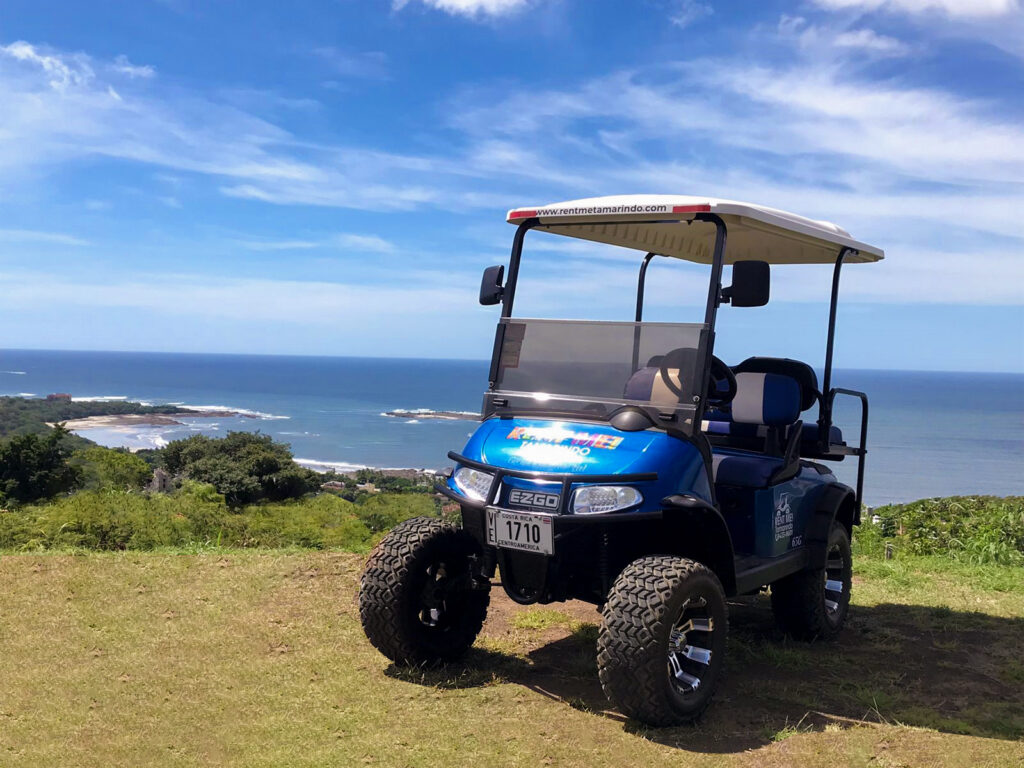
For many visitors, street-legal golf carts provide an ideal solution. They suit Tamarindo’s short distances, allow easy parking, and match the town’s relaxed pace. Open-air driving also fits naturally with the coastal environment, making everyday errands part of the experience rather than a chore.
Planning a better stay
Tamarindo works best with a simple approach: choose a few key activities, leave room for spontaneous beach time, and plan reliable transportation early. This combination allows visitors to focus on enjoying the town rather than coordinating logistics.
Tamarindo does not position itself as remote or undiscovered. Its strength lies in accessibility, variety, and ease. For travelers looking to experience Guanacaste without unnecessary friction, Tamarindo remains a destination that delivers exactly what it promises—coastline, community, and the freedom to explore at your own pace.